1. Walk-around and plan
A technician looks over the vehicle and explains the plan, including what is likely to be removed.
Manson, WA · Chelan County
One call to (877) 812-4220 starts vehicle decontamination in Manson. The work includes protecting the cabin, removing contaminated materials, disinfecting surfaces and treating the air inside.
If anyone is in danger, call 911 first. For a suicide crisis, call or text 988.
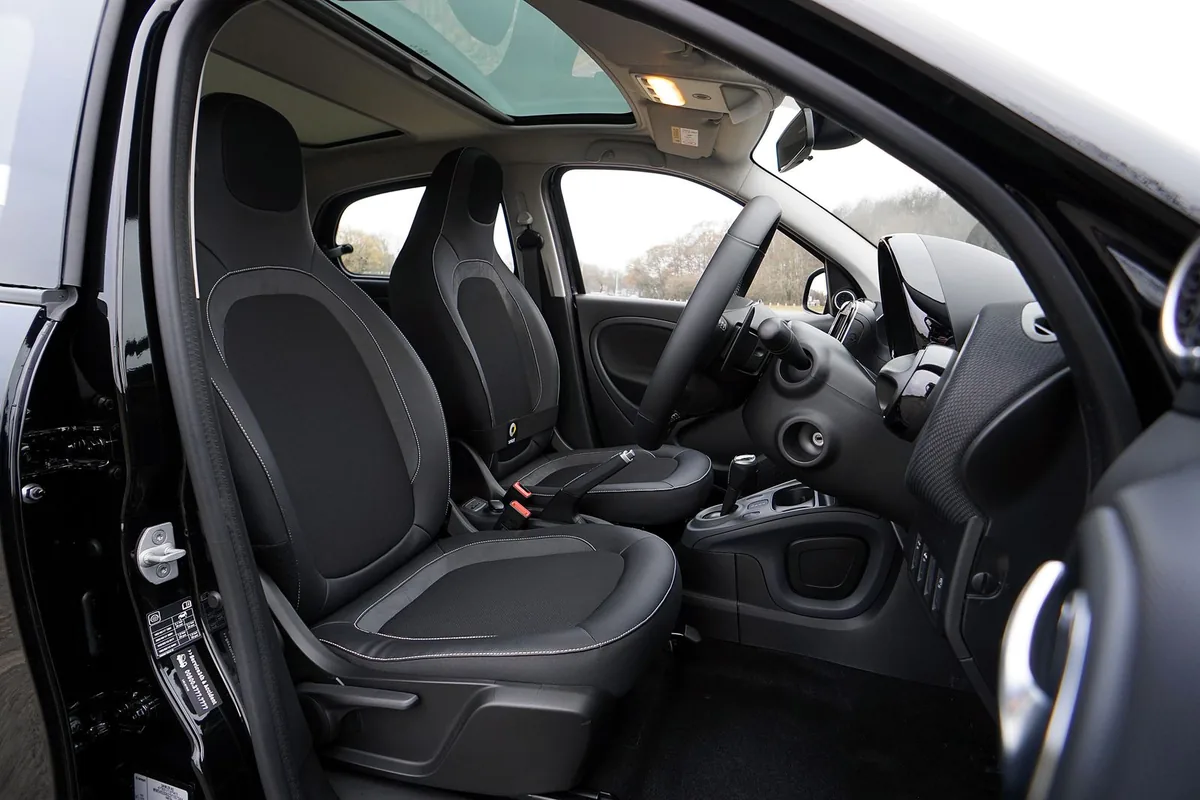
Cleaning a vehicle after a crash, a crime or a medical event means dealing with blood and other fluids that may carry bloodborne pathogens. Crews wear protective equipment and treat the cabin as a contamination zone.
When your vehicle needs decontamination in Manson, you get the crew, the protective gear and the disinfectants from Manson Biohazard Cleanup Help. Soaked parts are removed and hauled away as regulated waste.
Dry air in Manson can bake fluids into seats and carpet, so the smell may persist even when the vehicle looks clean. Anyone hurt in a vehicle incident should be seen at Lake Chelan Community Hospital in Chelan or by a doctor before anyone thinks about the cabin.
What vehicle biohazard cleanup covers:
A technician looks over the vehicle and explains the plan, including what is likely to be removed.
Cleaners set up protection, seal off the working area and keep people away from the vehicle.
Contamination is removed piece by piece. Surfaces get a detailed clean followed by an EPA-registered disinfectant.
Waste is packed for regulated disposal. A final visual check makes sure nothing was missed.
Vehicle biohazard cleanup in Manson, WA typically costs $500 to $5,000, depending on the size of the affected area and the materials involved.
Fleet and rental jobs may involve several vehicles, scheduling around business needs or documentation for a manager, which affects the total.
| Type of job | Typical range |
|---|---|
| Vehicle biohazard cleanup | $500 - $5,000 |
Figures are planning ranges from BioCleaners Directory, not a price for any specific Manson property. Price drivers include type of interior materials, how serious the event was, time since the event, air system decontamination. Call (877) 812-4220 any hour.
People use both phrases. Most of the time they mean decontaminating a vehicle that holds blood or other body fluids. Chemical spills are a separate hazard, and a cleanup team can say whether it can handle a specific one.
Cleaning a biohazard car starts with protection: gloves, eye protection and a mask. Contaminated upholstery and padding are removed, hard surfaces are cleaned, and an EPA-registered disinfectant is used by the label. Heavy contamination is best left to a vehicle biohazard cleanup team.
Call 911 first if anyone is hurt. Keep people and pets away from the vehicle, do not drive it, and do not wipe or spray the fluids. Take photos for insurance and note what the contamination touched.
Yes. Blood can carry bloodborne pathogens such as hepatitis B and HIV. Dried blood can still be hazardous, and enclosed cabins hold odor. That is why the area is cleaned with protection and disinfected.
A salvage vehicle is one an insurer has declared a total loss. Some are also tagged for contamination when blood or fluids were involved. Labels and rules vary, so ask the insurer or the state title office what applies to a specific vehicle.
Yes. Waste is lifted with protection, soaked materials are removed and surfaces are disinfected. Urine travels deep into foam, so seats may need to be taken out or replaced if the smell remains.
One call starts the cleanup, disinfection and disposal.
Call (877) 812-4220